
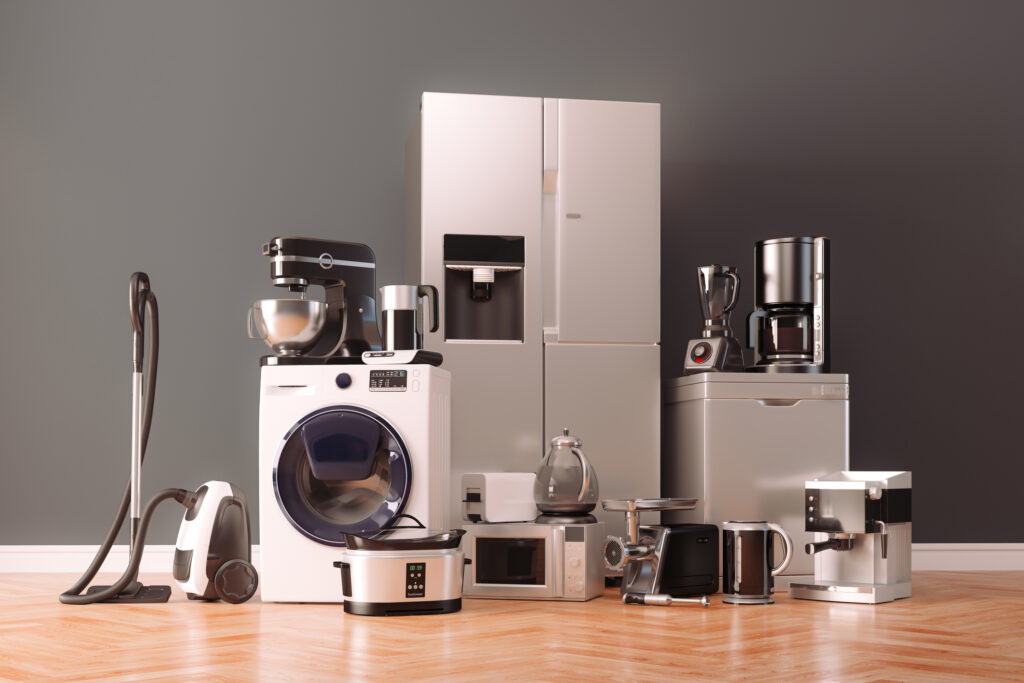
When a home appliance starts acting up, many homeowners face the same question: should you repair it or replace it? This decision can be even harder when the appliance is several years old and repair costs are uncertain.
In many cases, repairing an older appliance can still be the smarter and more cost-effective option. Below, we’ll walk through the key factors to consider so you can make the best decision for your home.
How Old Is the Appliance?
Age plays a major role in deciding whether an appliance is worth repairing. Most household appliances are designed to last between 8 and 15 years, depending on the type and how often they are used.
General lifespan estimates:
-
Refrigerators: 10–15 years
-
Washers and dryers: 8–12 years
-
Dishwashers: 8–10 years
-
Ovens and stoves: 10–15 years
If your appliance is still within or near its expected lifespan, a repair may extend its usefulness for several more years.
Compare Repair Cost vs Replacement Cost
A common rule of thumb is the “50 percent rule.” If the cost of repair is less than half the price of a new appliance, repairing it often makes sense.
Consider:
-
Cost of parts and labor
-
Price of a comparable replacement
-
Installation and delivery fees for new appliances
Many homeowners are surprised to learn that a repair can be far more affordable than a full replacement.
How Often Has the Appliance Needed Repairs?
If an appliance has needed frequent repairs in a short period of time, replacement may be the better option. However, if this is the first major issue after years of reliable use, a repair is often worthwhile.
Ask yourself:
-
Is this a one-time issue?
-
Has the appliance been dependable until now?
A single repair doesn’t always mean an appliance is near the end of its life.
Energy Efficiency Considerations
Newer appliances are typically more energy efficient, but that doesn’t automatically mean replacement is the best choice. In some cases, the energy savings may take years to offset the cost of a new appliance.
If your older appliance is otherwise functioning well, repairing it can still be a practical decision.
Safety and Performance Issues
Some problems should not be ignored, especially those involving electrical components, gas lines, or overheating. If an appliance presents a safety risk, professional inspection is essential.
Examples include:
-
Gas smells from ovens or dryers
-
Electrical sparks or burning odors
-
Repeated overheating
In these situations, a technician can help determine whether repair is safe or replacement is necessary.
When Repair Makes Sense
Repairing an old appliance is often the right choice when:
-
The appliance is within its expected lifespan
-
Repair costs are reasonable
-
The unit has been reliable overall
-
Replacement costs are significantly higher
When Replacement May Be the Better Option
Replacement may be worth considering if:
-
The appliance is well past its expected lifespan
-
Repairs are frequent and costly
-
Performance has significantly declined
-
Safety concerns cannot be resolved
Get Professional Advice Before Deciding
Every appliance and situation is different. A professional diagnosis can help you understand the issue, estimated repair costs, and whether repairing the appliance makes sense.
Fix Home Appliances helps connect homeowners with experienced local appliance repair technicians who can inspect the problem and offer guidance based on your specific situation.
👉 Request Appliance Repair Service